King of Shojo: The Complete Guide to Manga’s Most Beloved Genre and Its Legendary Creators
Published on October 14, 2026
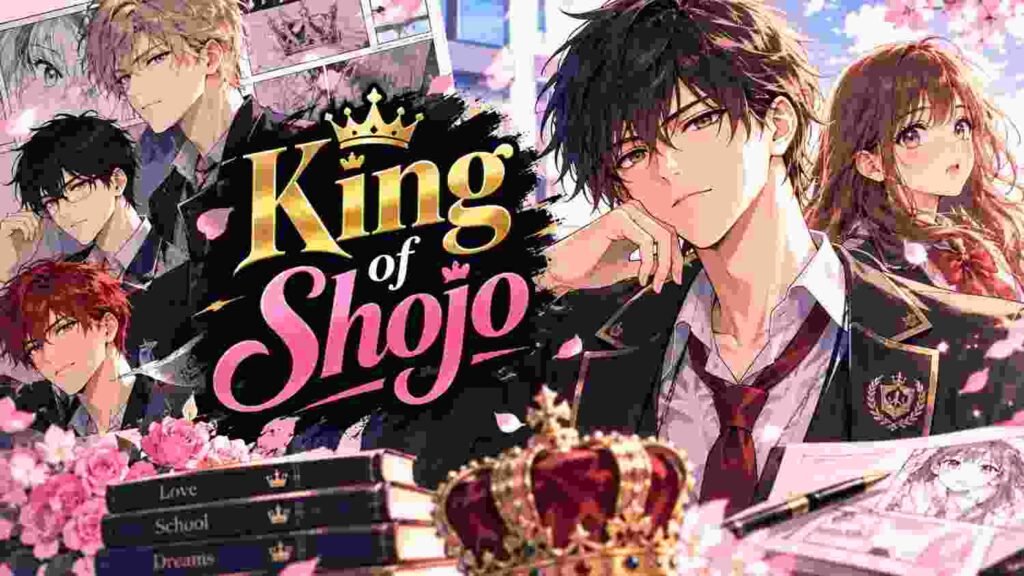
You want to understand the magic behind shojo manga, but every search leaves you more confused than before. The history feels scattered, the recommendations feel random, and nobody explains why certain creators dominate the genre. That issue is currently resolved by this guide.You will walk away knowing exactly who earned the King of Shojo title, which series shaped generations, and where to start reading today.
What Does King of Shojo Actually Mean in the Manga World?
The phrase King of Shojo refers to the creators, series, and creative movements that hold the highest influence over the shojo manga genre. It is not just a nickname. It represents a legacy of storytelling that centers on emotion, relationships, and inner character growth.
Shojo manga targets primarily young female readers, though its audience spans all genders and ages today. The King of Shojo distinction separates ordinary romance comic from works that redefined how stories about love, identity, and personal struggle reach millions of readers.
When fans and critics use the term King of Shojo, they point to manga that broke sales records, launched anime franchises, and changed the publishing industry in Japan and abroad.
The Origins of Shojo Manga and the Rise of a King
Shojo manga traces its roots back to the early 1950s in Japan. Magazines like Shojo Club and Ribon began publishing illustrated stories aimed at teenage girls. These early works featured simple romance plots and gentle art styles.
The real transformation happened in the 1970s. A revolutionary group of female manga artists known as the Year 24 Group (Hana no Nijūyo-nen Gumi) shattered every convention in the industry. They introduced complex psychological narratives, gender-bending themes, and cinematic panel layouts that had never appeared in girls’ comic before.
This creative explosion is where the King of Shojo legacy truly began. Before this era, shojo manga followed rigid formulas. After it, the genre became a space for bold artistic experimentation and deep emotional storytelling.
Who Earned the Title King of Shojo in Manga History?
Several creators compete for the King of Shojo crown, and the answer depends on which era and criteria you prioritize. Here are the names that dominate every serious discussion:
- Riyoko Ikeda — Creator of The Rose of Versailles, a series that sold over 20 million copies and redefined historical romance in manga.
- Moto Hagio — Often called the “God of Shojo,” her works like The Poe Clan and The Heart of Thomas introduced science fiction and psychological depth to the genre.
- Yumiko Igarashi — Co-creator of Candy Candy, a global phenomenon that brought shojo manga to Western audiences in the 1970s and 1980s.
- CLAMP — The all-female collective behind Cardcaptor Sakura and Tsubasa: Reservoir Chronicle, bridging shojo and shonen audiences.
- Natsuki Takaya — Creator of Fruits Basket, one of the best-selling shojo manga of all time with over 30 million copies sold worldwide.
Each of these creators contributed something irreplaceable. The King of Shojo title belongs to all of them collectively, though individual fans will always champion their personal favorite.
Riyoko Ikeda: The Creator Behind the King of Shojo Legacy
Riyoko Ikeda stands as the single most influential figure in the King of Shojo conversation. Her masterpiece, debuted in 1972 and immediately changed the trajectory of Japanese comic.
The story follows Oscar François de Jarjayes, a woman raised as a man to serve as commander of the Royal Guard in pre-revolutionary France. Ikeda blended historical accuracy with intense personal drama, creating a narrative that appealed to readers far beyond the traditional shojo demographic.
The Rose of Versailles sold more than 20 million copies in Japan alone. It inspired a Takarazuka Revue stage adaptation that has run for over 50 years and continues to sell out performances. No other single work has done more to cement the King of Shojo legacy in global popular culture.
Ikeda’s influence extends to panel composition, character design, and the use of European historical settings in manga — techniques that thousands of artists still replicate today.
Moto Hagio and the Year 24 Group That Shaped the King of Shojo Era
Moto Hagio and her peers in the Year 24 Group deserve equal recognition in the King of Shojo narrative. Born around 1949 (the 24th year of the Showa era), these artists grew up reading early shojo manga and decided to completely reinvent it.
Hagio’s The Poe Clan (1972) introduced vampire mythology and existential loneliness into shojo storytelling. Her The Heart of Thomas (1974) explored same-sex attraction in a boys’ boarding school with a sensitivity that was decades ahead of its time.
Other Year 24 Group members like Keiko Takemiya (The Poem of Wind and Trees) and Yumiko Ōshima (Banana Bread Pudding) pushed boundaries in similar ways. Together, they established the creative foundation that every modern King of Shojo work builds upon.
Without the Year 24 Group, the shojo genre would likely still consist of simple school romance stories. Their courage to tackle taboo subjects gave shojo manga its intellectual credibility.
Top 10 Manga Series That Define the King of Shojo Genre
Every King of Shojo discussion needs a definitive reading list. These ten series represent the pinnacle of shojo storytelling across multiple decades:
- The Rose of Versailles by Riyoko Ikeda (1972) — Historical romance set during the French Revolution.
- Fruits Basket by Natsuki Takaya (1998) — A girl discovers a family cursed to transform into zodiac animals.
- Sailor Moon by Naoko Takeuchi (1991) — Magical girls defend Earth while navigating school life and romance.
- Cardcaptor Sakura by CLAMP (1996) — A young girl captures magical cards with the help of her friends.
- Ouran High School Host Club by Bisco Hatori (2002) — A scholarship student joins an eccentric host club at an elite academy.
- Kimi ni Todoke by Karuho Shiina (2005) — A misunderstood girl slowly opens up to friendship and first love.
- Nana by Ai Yazawa (2000) — Two women named Nana navigate adulthood, music, and heartbreak in Tokyo.
- Skip Beat! by Yoshiki Nakamura (2002) — A girl enters the entertainment industry to get revenge on her ex-boyfriend.
- Yona of the Dawn by Mizuho Kusanagi (2009) — A princess goes on the run and builds an army to reclaim her kingdom.
- Akatsuki no Yona (Fruits Basket 2019 reboot era) — Modern shojo that blends action, fantasy, and deep emotional arcs.
Each of these series carries the King of Shojo DNA: complex female protagonists, emotional honesty, and storytelling that respects its readers’ intelligence.
How the King of Shojo Transformed Romance Manga Forever
Before the King of Shojo era, romance manga followed a predictable pattern. A girl meets a boy, they face a minor misunderstanding, and everything resolves by the final chapter. The emotional stakes rarely rose above a school festival or a summer vacation.
The King of Shojo creators destroyed that formula. They introduced themes like grief, abuse, identity crisis, social class conflict, and political revolution into stories that publishers initially expected to be lighthearted.
Fruits Basket tackles generational trauma and child abuse with a tenderness that leaves adult readers in tears. Nana portrays the messy reality of codependent relationships without offering easy answers. The Rose of Versailles ends in tragedy, not a wedding.
This willingness to embrace difficult emotions is what separates King of Shojo works from generic romance comic Readers do not just enjoy these stories — they grow through them.
King of Shojo vs. Shonen: Understanding the Core Differences
Many new manga readers confuse shojo and shonen because popular series often blur the lines. Understanding the distinction helps you appreciate why the King of Shojo genre holds a unique position in the manga ecosystem.
| Feature | King of Shojo Manga | Shonen Manga |
| Primary Audience | Young women and girls (ages 10–18), though readership spans all demographics | Young men and boys (ages 10–18) |
| Core Themes | Emotional growth, relationships, identity, inner conflict | Action, competition, friendship, overcoming external obstacles |
| Art Style | Large expressive eyes, floral backgrounds, detailed hair and clothing, soft linework | Bold action lines, dynamic poses, muscular character designs |
| Pacing | Slower, focused on internal monologue and emotional beats | Faster, driven by fight scenes and plot twists |
| Panel Layout | Overlapping panels, diagonal compositions, decorative borders | Grid-based layouts, speed lines, splash pages for action |
| Character Development | Deep psychological exploration of protagonists | Growth through training, battles, and rivalry |
| Romance Role | Central to the narrative | Often a subplot or comic relief |
| Top Magazines | Ribon, Nakayoshi, Hana to Yume, LaLa | Weekly Shonen Jump, Weekly Shonen Magazine |
| Best-Selling Example | Sailor Moon (30M+ copies) | One Piece (500M+ copies) |
| Cultural Impact | Pioneered magical girl genre, influenced global fashion and feminism | Defined battle manga, influenced global action storytelling |
The King of Shojo genre does not compete with shonen. It offers a completely different reading experience that prioritizes emotional truth over spectacle.
The Art Style That Makes King of Shojo Manga Unmistakable
Open any King of Shojo manga and you will immediately recognize the visual language. The art style is one of the most distinctive in all of comics, and it evolved deliberately over decades.
The large, sparkling eyes that define shojo characters originated in the 1950s with artists like Osamu Tezuka, who drew inspiration from Disney animation. The Year 24 Group expanded this style by adding elaborate backgrounds filled with roses, stars, and abstract emotional patterns.
Modern King of Shojo artists like Karuho Shiina (Kimi ni Todoke) and Bisco Hatori (Ouran High School Host Club) refined these techniques further. They use screentone gradients to convey mood shifts, and their panel compositions often break traditional grids to mirror a character’s emotional state.
The result is a visual storytelling method where the art itself communicates feelings that dialogue alone cannot express. A single page of King of Shojo manga can convey heartbreak, joy, or confusion without a single word bubble.
Modern Creators Carrying the King of Shojo Torch Today
The King of Shojo legacy is not a historical artifact. A new generation of mangaka continues to push the genre forward with fresh perspectives and bold storytelling choices.
Karuho Shiina proved that quiet, character-driven shojo could achieve massive commercial success with Kimi ni Todoke, which sold over 30 million copies and received two anime seasons plus a live-action film.
Mizuho Kusanagi blended shojo romance with epic fantasy in Yona of the Dawn, creating a series that appeals equally to shojo and shonen readers. The ongoing manga has sold over 14 million copies and shows no signs of slowing down.
Io Sakisaka brought a modern, realistic approach to teenage romance with both of which received anime and live-action adaptations. Her work represents the contemporary King of Shojo aesthetic: clean linework, relatable dialogue, and emotional restraint.
Where to Read King of Shojo Manga in 2025
Finding King of Shojo manga has never been easier, thanks to digital platforms and renewed publisher interest in classic and modern shojo titles.
VIZ Media remains the largest English-language publisher of shojo manga. Their Shojo Beat imprint offers both physical volumes and digital access through the VIZ app and Shonen Jump subscription (which includes select shojo titles).
Kodansha USA publishes English editions of CLAMP works, Sailor Moon, and Cardcaptor Sakura. Their K Manga app provides same-day digital releases for ongoing series.
Crunchyroll Manga and ComiXology (now integrated into Amazon Kindle) offer extensive shojo backlists for digital reading. Many classic King of Shojo titles like The Rose of Versailles and Nana are available through these platforms.
The Cultural Impact of King of Shojo on Global Pop Culture
The King of Shojo influence reaches far beyond manga shelves. Shojo storytelling conventions have shaped global entertainment, fashion, and even social movements.
The magical girl genre, pioneered by Sailor Moon and Cardcaptor Sakura, directly inspired Western animated series like Steven Universe,Creators of these shows have openly cited King of Shojo works as primary influences.
Shojo fashion aesthetics — pastel colors, layered skirts, ribbon accessories, and the “kawaii” visual language — dominate global streetwear trends. Brands like Miu Miu, Simone Rocha, and Sandy Liang draw heavily from the King of Shojo visual vocabulary.
The genre also played a significant role in normalizing discussions about mental health, LGBTQ+ identity, and female agency in popular media. King of Shojo creators addressed these topics decades before they entered mainstream Western discourse.
How to Start Your King of Shojo Reading Journey Today
Beginning your King of Shojo exploration does not require reading hundreds of volumes. Start with these three steps to build a strong foundation:
- Pick one classic and one modern series. Read The Rose of Versailles alongside Fruits Basket to understand how the genre evolved over 30 years.
- If you like visual narrative, start by watching the anime.The Fruits Basket (2019) and Sailor Moon Crystal adaptations are faithful and beautifully produced.
- Join online communities. Subreddits like r/shojo and r/manga, along with Discord servers dedicated to shojo discussion, provide recommendations tailored to your taste.
The King of Shojo genre rewards patience and emotional openness. These stories ask you to sit with difficult feelings, celebrate small victories, and care deeply about characters who feel like real people.
The King of Shojo Legacy Lives On Through Every New Reader
The King of Shojo title does not belong to a single creator, a single series, or a single decade. It belongs to an unbroken creative tradition that began in 1950s Japan and continues to evolve in 2025 with every new manga chapter published and every new reader who discovers the genre.
Riyoko Ikeda, Moto Hagio, Naoko Takeuchi, Natsuki Takaya, CLAMP, and dozens of other visionary artists built something extraordinary. They proved that stories about feelings, relationships, and personal growth deserve the same artistic ambition and commercial respect as any action epic or political thriller.
Your next step is simple. Pick up a volume of Fruits Basket or stream the first episode of Sailor Moon Crystal. Let the King of Shojo legacy speak to you directly. Then share your favorite series with someone who has never experienced shojo manga before. The tradition grows stronger with every new reader who joins the community.