Yamete Kudasai, Mabushii Desu: The Complete Guide to Meaning, Origin, and Meme Culture
Published on October 31, 2026
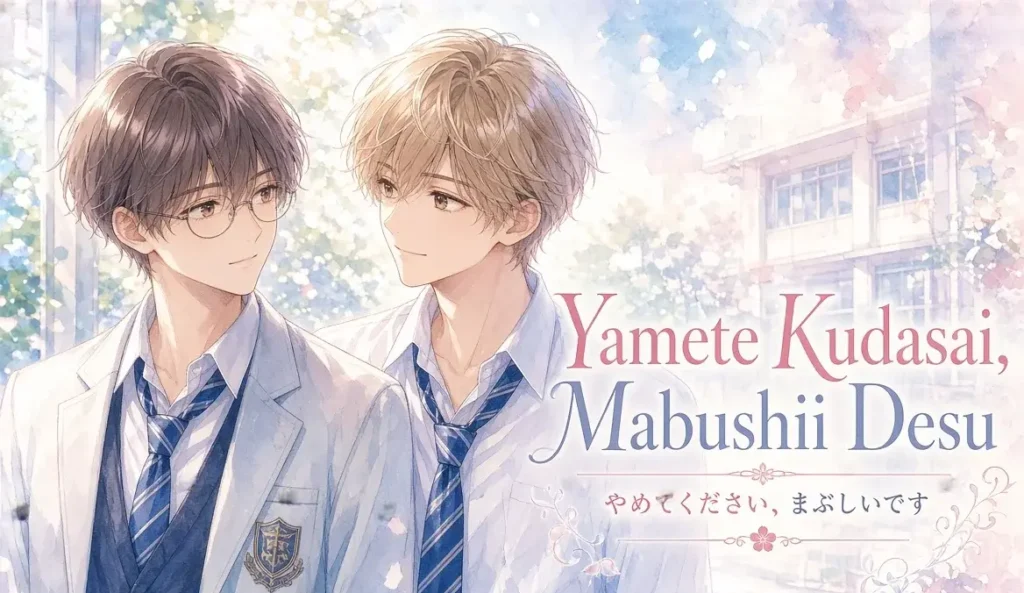
You hear a soft voice clip on TikTok or Twitch. The words yamete kudasai, mabushii desu stop you mid-scroll. You search for the phrase and find a mix of memes, soundboards, and confusing forum posts. This guide cuts through the noise. You will learn exactly what the phrase means, where it comes from, and how to use it without sounding like a meme.
What Does “Yamete Kudasai” Mean in English?
The phrase yamete kudasai translates to “please stop” in English. It is a polite request for someone to end an action. The word yamete comes from the verb yameru, which means to stop or quit. Adding kudasai softens the command into a courteous ask. Memrise lists this as the standard way to say “please stop that” in Japanese.
You can use yamete kudasai in many situations. It works when someone steps on your foot on a crowded train. It also works when a friend teases you too much. The phrase carries no inherent sexual meaning, despite its frequent use in adult anime scenes. Japan-Guide confirms that yamete kudasai is simply the polite version of “stop,” while yamero is a rougher command.
What Does “Mabushii Desu” Mean in Japanese?
Mabushii desu means “it is dazzling” or “it is too bright.” The word mabushii is an i-adjective that describes light so intense it makes you squint. Wiktionary defines mabushii as “dazzling” or “radiant”. Adding desu makes the statement polite.
Japanese speakers use mabushii desu for physical light. You might say it when you step out of a dark movie theater into the noon sun. The phrase also carries a figurative meaning. If you call someone’s smile mabushii, you are saying it is radiant and almost too beautiful to look at.
The Combined Phrase: “Yamete Kudasai, Mabushii Desu” Explained
When you put the two parts together, yamete kudasai, mabushii desu becomes a playful, layered statement. The literal translation is “Please stop; it’s dazzling.” The first clause asks someone to stop an action. The second clause gives a reason: the action or the person is overwhelming, bright, or stunning.
This phrasing often appears in romantic or comedic scenes. A character might cover their eyes and say yamete kudasai, mabushii desu when someone they like smiles directly at them. The phrase blends a request for space with a compliment. It is not a standard idiom with one fixed punchline. The context of the scene supplies the exact joke or emotion.
Grammar Breakdown: Why “Yamete Kudasai” Is Polite, Not Slang
The grammar behind yamete kudasai is straightforward. Yamete is the te-form of the verb yameru. The te-form turns a verb into a request when paired with kudasai. Kudasai means “please” and adds politeness. This structure, verb-te plus kudasai, is a standard polite request pattern in Japanese.
The polite tone makes yamete kudasai safe for most everyday situations. It is not a slang term. It is not a formal business phrase either, but it works with strangers, coworkers, and friends. You can soften it further by dropping kudasai and saying yamete alone, but that version sounds more casual and slightly feminine. The rougher command form, yamero, sounds masculine and forceful.
The Surprising Origin: A 2015 Manga, Not an Anime
Many people assume yamete kudasai, mabushii desu comes from an anime. The phrase actually traces to a 2015 boys’ love manga titled Yamete Kudasai, Mabushii Desu. Haruki Hiwatari wrote and illustrated the six-chapter story. It follows Sasano, a boy raised in an all-female household, who develops a crush on a popular classmate named Koga.
The manga’s title became a searchable phrase because of its memorable combination of words. Fans of the genre shared the title online. Over time, the phrase detached from the manga and became a standalone expression. People who never read the manga now use yamete kudasai, mabushii desu as a reaction phrase or a caption.
How “Yamete Kudasai” Became an Anime and Meme Phenomenon
The phrase yamete kudasai appears in countless anime scenes. In comedy, a flustered character might shout it after a clumsy protagonist falls on them. In drama, a character whispers it as a desperate plea. The range of uses made the phrase recognizable to anime fans worldwide.
Western audiences latched onto the sound of the phrase. The high-pitched, breathy delivery common in fan-service scenes became a meme template. Twitch streamers played clips of yamete kudasai for comedic effect. TikTok creators used the audio in skits and edits. The meme status does not change the actual meaning. It simply added a layer of internet irony.
The Sound Effect Craze: Soundboards, TikTok, and Twitch
Short audio clips of yamete kudasai spread across soundboard websites and Discord servers. These clips last only two or three seconds, making them perfect for punchlines. Users can play the sound effect on command during voice chats or live streams.
The yamete kudasai sound became a recognizable audio cue. Some clips feature a single soft voice. Others include the full yamete kudasai, mabushii desu line. The sound effect’s popularity on TikTok pushed the phrase into mainstream search trends. People who did not watch anime began searching for the meaning behind the clip.
Using “Yamete Kudasai” Respectfully in Real Life
You can use yamete kudasai in real Japanese conversations. The key is your tone and context. Say it clearly and calmly when you need someone to stop an action. If a stranger is taking photos of you without permission, a firm yamete kudasai is appropriate.
Do not use the meme voice in real life. The exaggerated, breathy anime delivery sounds creepy and rude outside of fandom spaces. Japanese speakers will hear it as mockery or harassment. Use your normal speaking voice. Reserve the meme version for online jokes with friends who understand the reference.
Related Japanese Phrases You Should Know
Several phrases share space with yamete kudasai in anime and everyday speech. Learning them helps you understand the nuance.
- Yamero (やめろ): A rough command meaning “stop it.” Shonen heroes and angry characters use this form.
- Dame (だめ): Means “no good” or “don’t.” A general refusal.
- Iya (嫌): Means “no” or “I hate that.” Expresses dislike.
- Yamete (やめて): The casual, softer version of yamete kudasai.
- Mabushii (眩しい): The adjective form of mabushii desu, used to describe something dazzling.
These phrases appear alongside yamete kudasai, mabushii desu in anime dialogue. They give you a fuller picture of how Japanese speakers express refusal, discomfort, and admiration.
Quick Reference Table: Yamete Kudasai, Mabushii Desu at a Glance
| Japanese | Romaji | English Meaning | Tone |
| やめてください | Yamete kudasai | Please stop | Polite, everyday |
| まぶしいです | Mabushii desu | It is dazzling / too bright | Polite statement |
| やめてください、まぶしいです | Yamete kudasai, mabushii desu | Please stop; it’s dazzling | Playful, flustered |
| やめて | Yamete | Stop (casual) | Soft, casual |
| やめろ | Yamero | Stop it (command) | Rough, masculine |
| だめ | Dame | No good / don’t | General refusal |
FAQs About “Yamete Kudasai, Mabushii Desu”
Is “yamete kudasai” a bad word?
No. Yamete kudasai is a polite phrase meaning “please stop.” It contains no profanity. The meme association with adult content comes from specific anime scenes, not from the words themselves.
What does “mabushii desu” mean literally?
Mabushii desu literally means “it is dazzling” or “it is too bright.” The adjective mabushii describes intense light that makes you squint. It can also describe something figuratively radiant, like a person’s smile.
Where did “yamete kudasai, mabushii desu” originate?
The exact phrase comes from a 2015 manga by Haruki Hiwatari. The title Yamete Kudasai, Mabushii Desu later spread online as a meme and sound clip. The individual words existed in Japanese long before the manga.
Can I use “yamete kudasai” in everyday Japanese?
Yes. Yamete kudasai is a standard polite request. Use it when you genuinely need someone to stop an action. Avoid the exaggerated anime voice. A normal, clear tone works in real situations.
What is the difference between “yamete” and “yamero”?
Yamete is softer and more polite, especially with kudasai attached. Yamero is a rough command form. Use yamete kudasai with strangers and coworkers. Yamero sounds aggressive and fits anime dialogue more than daily conversation.
Why is “yamete kudasai” associated with memes?
The phrase appears often in anime fan-service scenes. Western viewers clipped the high-pitched delivery and turned it into a sound effect. Meme culture attached a humorous, ironic meaning to yamete kudasai that differs from its straightforward Japanese definition.
Conclusion: Speak with Confidence, Not Just Memes
Yamete kudasai, mabushii desu is more than a viral sound clip. It is a real Japanese phrase with clear grammar, a specific manga origin, and a dual life in anime and meme culture. You now know how to translate it, how to use it politely, and how to recognize its meme context.
Take the next step. Practice saying yamete kudasai in a calm, clear voice. Share this guide with a friend who keeps hearing the sound effect but never learned the meaning. Turn a confusing meme into a genuine language skill.
Featured Guides

Myreadingmanga Guide: Genres, Safety & Reading Tips
Manga Archive · Genres, Safety & Reading Tips

Honeytoon Guide: Free Comics, Safety & How It Works
Webtoon Platform · Free Comics, Coins & Safety

Mult34 Comics Guide: Safety, Styles, and Smart Browsing
Comic Platform · Styles, Safety & Smart Browsing

Xlecx Explained: Platform Features, Safety & Access Guide
Platform Guide · Features, Safety & Access

Because I’m Super Lucky I Got a Second Chance: The Science of Renewal
Mindset & Renewal · Psychology, Stories & Do-Overs

Mgeko Guide: Read Manga Safely or Find Better Alternatives?
Manga Reading · Safety, Risks & Better Alternatives