Regressing as the Bastard of the Sword Clan: The Complete Manhwa Guide You Actually Need
Published on October 10, 2026
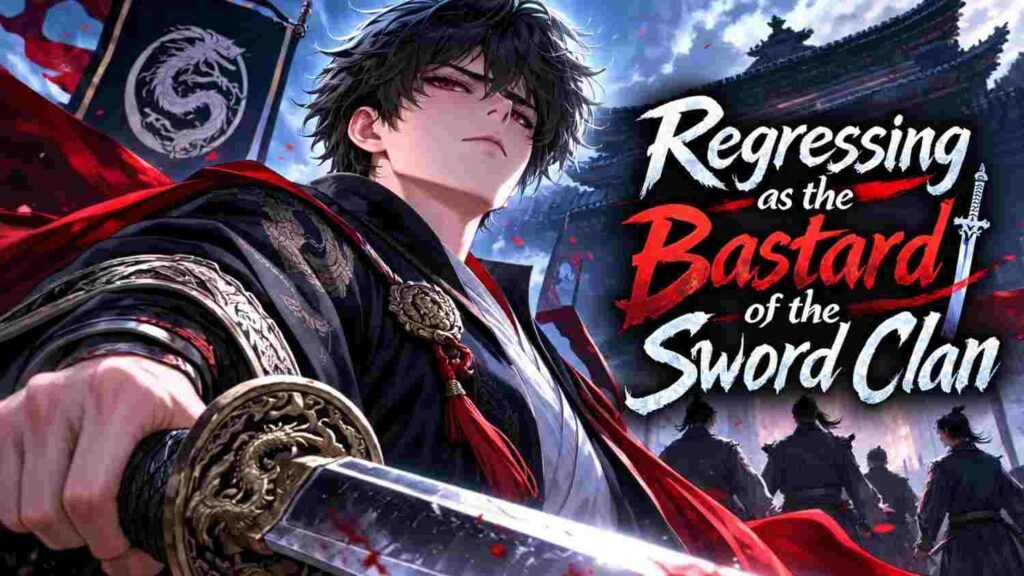
You picked up a random manhwa at 2 AM and now you cannot stop reading. That is exactly what regressing as the bastard of the sword clan does to people. The problem? Scattered wikis, half-translated chapters, and zero clear guides leave you confused about the actual storyline. This page fixes that. You get the full breakdown — plot, characters, power system, and why this series crushes every regression manhwa on the shelf right now.
What Is Regressing as the Bastard of the Sword Clan and Why Does Everyone Talk About It?
Regressing as the bastard of the sword clan is a Korean action-fantasy manhwa that follows an illegitimate son thrown to the bottom of a powerful sword-wielding family. He dies. Then he wakes up years earlier with every memory intact.
The premise sounds familiar because the regression genre exploded after Solo Leveling opened the floodgates. But this series separates itself through raw emotional stakes and a protagonist who starts with absolutely nothing — no hidden bloodline cheat, no system window, no divine blessing.
Who Is the Main Character in Regressing as the Bastard of the Sword Clan?
The protagonist carries the weight of a man who already lost everything once. Born as the lowest-ranked child in the clan, he spent his first life as a disposable pawn.
His older siblings treated him like furniture. The clan elders ignored his existence. When war came, they sacrificed him without hesitation.
After regression, his personality shifts dramatically. He moves with quiet precision.Even though he does not say much, every word he says is like a knife.Readers connect with him because his anger feels earned, not performative.
How Does the Regression Mechanic Work in This Manhwa?
The time-loop trigger in regressing as the bastard of the sword clan activates at the exact moment of death. Inside the clan estate, the protagonist returns to his childhood body.
He retains full combat memory, political knowledge, and awareness of every betrayal that originally destroyed him. His physical body resets, meaning he must rebuild strength from scratch.
This creates a brilliant tension gap. He knows what to do but his twelve-year-old muscles cannot execute it yet. Watching him close that gap chapter by chapter keeps readers hooked.
What Makes the Sword Clan Power System Different From Other Manhwa?
Most fantasy manhwa hand their heroes a glowing status screen within three chapters. That shortcut is completely rejected by regressing as the sword clan’s bastard.
Sword Aura Stages, internal energy cultivation, and clan-specific breathing techniques passed down through bloodlines are the main components of the power system. The bastard son cannot access the premium techniques because the clan locks them behind legitimacy tests.
He must steal, improvise, and reconstruct advanced methods from fragmented memories of his past life. This makes every power-up feel genuinely earned rather than gifted by a lazy plot device.
| Sword Aura Stage | Description | Who Can Access It |
| Iron Vein | Basic internal energy circulation. Strengthens bones and reflexes. | All clan children at age 10 |
| Steel Pulse | Aura coats the blade edge. Cuts through standard armor. | Legitimate heirs after trial |
| Silver Core | Aura projects outward. Creates shockwaves on impact. | Clan elders and war captains |
| Golden Meridian | Full-body aura armor. Near-supernatural speed. | Clan head only (historically) |
| Void Edge | Aura erases matter on contact. Theoretical stage. | No living practitioner |
Which Characters Matter Most Beyond the Protagonist?
Strong supporting characters are essential to the success of a regression story. The author understands this and builds a cast that actively shapes the plot rather than standing around cheering.
The First Brother serves as the primary early antagonist. He smiles publicly and poisons rivals privately. His political maneuvering inside the clan creates the pressure cooker that forces the protagonist to act fast.
The Sword Master is an elderly retired warrior who recognizes something strange about the bastard child’s sudden improvement. He becomes a reluctant mentor figure, though his loyalty remains ambiguous for dozens of chapters.
The Rival Daughter from a competing clan enters the story during the academy arc. She starts as an enemy, evolves into a cautious ally, and eventually becomes the only person who suspects the protagonist hides a massive secret.
Where Should New Readers Start Reading Regressing as the Bastard of the Sword Clan?
On the official platform, begin with Chapter 1. The emotional reward of the regression reveal, which is most powerful when you witness the protagonist’s initial death firsthand, is ruined if you skip ahead.
The first ten chapters move quickly. The art style stabilizes around Chapter 15, and the pacing tightens considerably once the clan tournament arc begins near Chapter 25.
Reading regressing as the bastard of the sword clan out of order creates confusion because the author plants subtle foreshadowing details in early panels that pay off fifty chapters later. Trust the process and read sequentially.
How Does the Art Style Compare to Top-Tier Action Manhwa?
The early chapters show rough linework and flat shading, which is normal for a new serialization. By Chapter 20, the art team clearly found their rhythm.
Fight scenes use heavy speed lines, dynamic camera angles, and ink-splash effects that make every sword clash feel visceral. The character designs lean toward sharp jawlines, narrow eyes, and flowing robes — classic Korean historical fantasy aesthetics.
Background art during the clan estate sequences deserves special praise. The stone corridors, training grounds, and ancestral halls feel lived-in and atmospheric rather than generic.
Why Does Regressing as the Bastard of the Sword Clan Rank Higher Than Similar Titles?
Three reasons explain why regressing as the bastard of the sword clan consistently outperforms comparable regression manhwa on ranking platforms.
First, the protagonist fails regularly. He misreads situations, underestimates enemies, and suffers real injuries that carry over between arcs. This vulnerability keeps tension alive.
Second, the political intrigue layer adds depth that pure action series lack. Clan alliances, marriage negotiations, and resource disputes create a secondary conflict engine that fires even during non-combat chapters.
Third, the author respects the reader’s intelligence. Information reveals happen gradually through context clues rather than exposition dumps. You piece together the world alongside the characters.
Is the Translation Quality Reliable for English Readers?
Official English releases maintain strong translation standards. Dialogue reads naturally, honorifics receive contextual adaptation rather than awkward literal conversion, and action descriptions stay punchy.
Fan translations vary wildly in quality. Some groups deliver excellent work while others butcher character names and misinterpret key plot points. Stick to the licensed version to avoid confusion, especially during the dense political arcs.
How Does the Protagonist’s Second Life Differ From His First?
In his original timeline, the protagonist survived through obedience and silence. He kept his head down, avoided conflict, and hoped the clan would eventually acknowledge his existence.
After regression, he flips the script entirely. He speaks up during council meetings. He challenges stronger opponents publicly. He forms alliances with people he previously ignored. Every decision reflects a man who already watched his passive approach fail and refuses to repeat it.
This behavioral transformation drives the emotional core of regressing as the bastard of the sword clan and separates it from regression stories where the hero simply speed-runs the plot with future knowledge.
What Themes Does This Manhwa Explore Beyond Action and Fantasy?
Family rejection sits at the center. The main character longs to fit in with a family that sees him as a disgrace to their ancestry. Although his retreat offers him power, the emotional harm caused by being unwelcome cannot be undone.
The cost of foresight creates moral complexity. Knowing the future means watching tragedies approach and choosing which ones to prevent and which to allow. Every saved life carries a consequence he did not anticipate.
Identity versus destiny threads through every arc. Is he still the same person who passed away, or has regression produced a completely different person? This question is purposefully left unanswered in the story.
Where Can You Read Regressing as the Bastard of the Sword Clan Legally?
The official English serialization runs on major licensed manhwa platforms. Search the exact title regressing as the bastard of the sword clan in the platform’s search bar to find the correct listing, as similar titles occasionally cause mix-ups.
Purchasing chapters through official channels directly supports the original Korean author and art team. This funding keeps the series on a consistent weekly schedule and ensures high-quality translations.
Avoid aggregator sites. They routinely mislabel chapters, host out-of-date translations, and take away author revenue, all of which ruin the reading experience during intricate plot arcs.
What Should You Expect From Upcoming Chapters?
The current succession arc builds toward a direct confrontation between the protagonist and the first brother. Tension escalates with every chapter as both sides gather allies and prepare for the patriarch’s final judgment.
If the protagonist dies a second time, readers wonder if the regression mechanic will activate once again. The author has dropped subtle hints but confirmed nothing, keeping the community in active discussion mode.
New character introductions from rival clans suggest the story will expand beyond internal family politics into larger territorial conflicts within the next thirty chapters.
Final Word: Start Reading Before the Spoilers Find You
Regressing as the bastard of the sword clan earns its popularity through sharp writing, brutal action, and a protagonist who bleeds for every inch of progress. The regression gimmick hooks you initially, but the character depth and political maneuvering keep you subscribed months later.
Open Chapter 1 tonight. In one sitting, read the first arc. Then come back and reread this guide because you will catch details you missed the first time.